Upcoming meetings
- Nov28–29
- Dec19
- Jun26–27
Formula E
Circuit
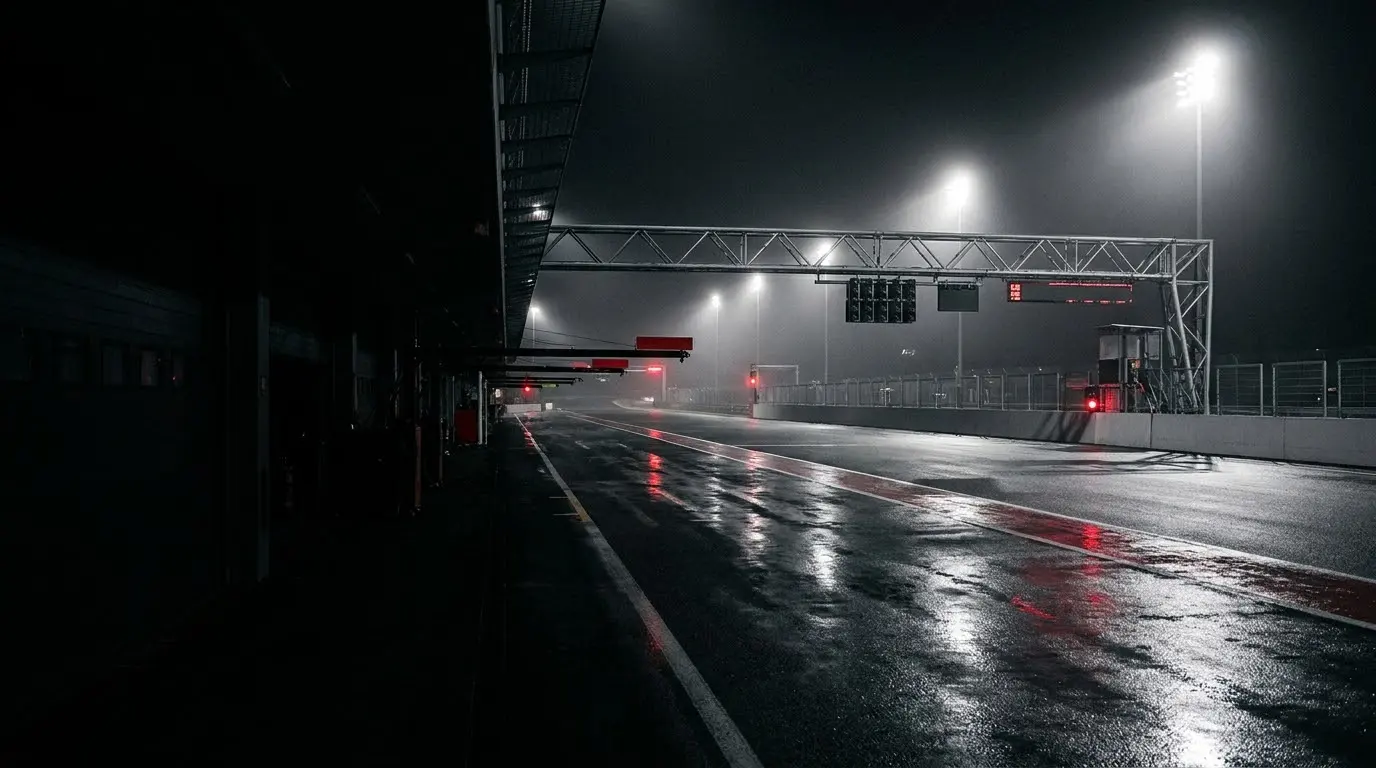
The Circuito del Jarama is a permanent road course in San Sebastián de los Reyes, on the northern outskirts of Madrid, around 20 km from the Spanish capital. Designed by the Dutch engineer John Hugenholtz, who also shaped Suzuka and Zandvoort, it was built on arid scrubland by Alessandro Rocci and officially opened on 2 July 1967, becoming one of Spain's first permanent racing venues. The compact, twisting layout packs a series of switchbacks and tight corners into a small parcel of land, with reasonable elevation change and a sweeping final turn, but its short, narrow character made overtaking notoriously difficult. Owned and operated by the Royal Automobile Club of Spain (RACE), the circuit hosted the Formula One Spanish Grand Prix nine times between 1968 and 1981 and the motorcycle Grand Prix fifteen times between 1969 and 1988. It was extended in 1990 with a revised first corner and a new uphill section between Ascari and Portago, lengthening the main straight and creating the present 3.85 km configuration. A multi-phase refurbishment programme launched in 2014 modernised the control tower, grandstands and pit facilities and added a museum for the RACE Foundation collection, completed in 2020. The final corner was renamed Curva María de Villota in 2015 in memory of the Madrid-born driver. In modern times the venue concentrates on domestic touring car and motorcycle series and the annual FIA European Truck Racing Championship round, having also welcomed the ETCR eTouring World Cup in 2022.
Operated by: Real Automóvil Club de España (RACE)
The current layout adopted in 1990, with a revised opening corner that lengthened the main straight and a new uphill sweeping section between Ascari and Portago. A compact, twisting 14-turn course that remains tight and technical, ending with the sweeping Curva María de Villota.